More than two centuries of craftsmanship converge in a single chandelier, where over 200 hours of hand-cutting refine every prism. This isn’t mere production-it’s obsession with perfection, a hallmark of France’s most revered crystal makers. In elite interiors around the globe, these pieces don’t just illuminate; they command attention, anchoring spaces with timeless presence. Behind each stem, vase, or chandelier lies a lineage of fire, breath, and precision. To know French crystal is to understand how tradition becomes art-and why only a few houses truly define the craft.
Essential characteristics of French crystal excellence
The heritage of mouth-blown techniques
At the heart of every true French crystal piece lies the breath of the artisan. Themouth-blown method, perfected over centuries, remains the gold standard of quality. While mass-produced glass is molded mechanically, the finest crystal still begins as molten material shaped by human lung and hand. This technique ensures uniform wall thickness, structural harmony, and a clarity that industrial methods cannot replicate. One of the earliest pioneers of continental crystal, a maison founded in the late 16th century, established this tradition as foundational. For those seeking the pinnacle of craftsmanship, legendary houses like Saint Louis Crystal France continue to set the gold standard for mouth-blown and hand-cut excellence.
Recognizing hand-cut precision
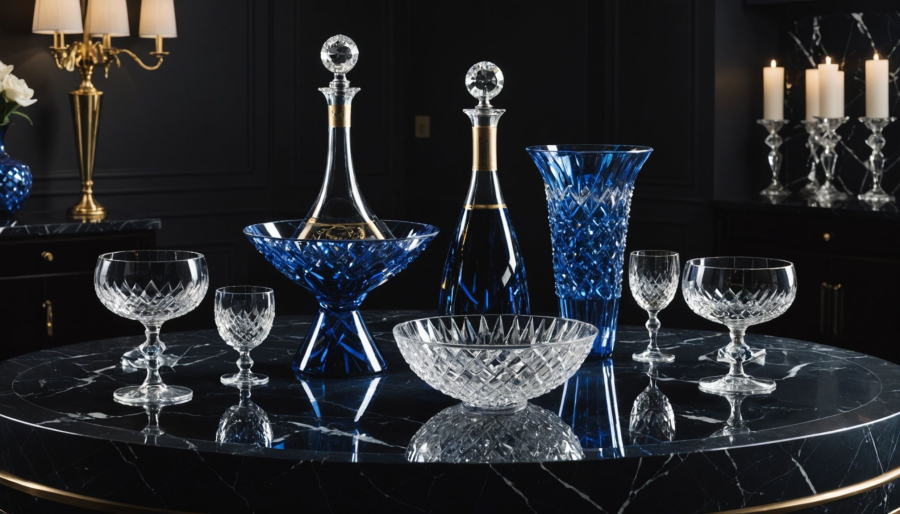
Hand-cutting is where light learns to dance. Unlike laser-cut or stamped patterns, authentic wheel engraving produces sharp, intricate facets that refract light in unpredictable, radiant ways. The difference is tactile: run your finger along a hand-cut edge and you’ll feel clean geometry, not the soft roll of machine-milled glass. Artisans use rotating copper wheels to carve complex geometric patterns-each stroke deliberate, each groove a testament to years of training. The result? A piece that sparkles differently at every angle, catching sunlight or candlelight with dramatic effect.
The signature of the master glassmaker
Every prestigious maison guards a unique sensory fingerprint. The weight of a glass, the warmth of its tone when tapped, the clarity of resonance-all signal authenticity. A genuine piece emits a sustained, crystalline ring, not a dull thud. This acoustic signature is proof of high lead content and precise annealing. Many brands also etch a hallmark or signature on the base, a guarantee of origin and lasting value. These marks aren’t just branding; they’re heirlooms in the making.
- Mouth-blown formation - shaped by breath, not mold
- Hand-carved patterns - precision-cut with rotating wheels
- Superior lead content for brilliance - up to 30% for maximum refraction
- Signature acoustic resonance - a clear, sustained ring
- Traditional hot-work finishing - slow cooling to prevent stress cracks
A comparison of legendary French crystal houses
Distinctive styles across the centuries
The great names of French crystal are not interchangeable. Each carries a distinct aesthetic legacy, shaped by historical influences and artistic direction. Baccarat, for instance, leans into regal opulence, often favored in state banquets and palaces. Lalique, by contrast, bridges sculpture and function, playing with frosted and clear interplay to create dramatic visual depth. Daum is celebrated for its Art Nouveau and Art Deco revivalism, while another storied maison-rooted in northeastern France-marries bold geometry with modern lighting innovation, including integrated LEDs.
| Brand | Foundation Year | Main Aesthetic Style | Specialty |
|---|---|---|---|
| Saint-Louis | 1586 | Neoclassical, Modern-Geometric | Tableware, Chandeliers |
| Baccarat | 1764 | Royal, Ornate | Stemware, Figurines |
| Lalique | 1888 | Art Nouveau, Frosted Contrast | Decorative Objects, Jewelry |
| Daum | 1884 | Art Deco, Colored Glass | Art Glass, Vases |
| Cristal d’Arques | 1968 | Heritage-Inspired, Contemporary | Everyday Crystalware |
How to select crystal for modern interiors
Matching light and glassware
Crystal isn’t passive decor-it’s a collaborator in atmosphere. The way a decanter catches dawn light or a chandelier refracts evening glow transforms the mood of a room. Designers increasingly pair crystal with dimmable LED systems, allowing gradual shifts in ambiance, from bright clarity to soft shimmer. Position stemware near windows to maximize daylight sparkle, or place a centerpiece under a focused beam to cast intricate shadows on the table. The goal? To make light a functional element of design.
Blending tradition with contemporary design
Gone is the era when crystal belonged only behind glass cases. Today’s interiors embrace the idea of daily luxury. A hand-cut tumbler for water, a modern chandelier in a minimalist dining room-these choices elevate routine moments. The secret lies in balance: pair a geometric Saint-Louis decanter with a sleek concrete bar, or contrast a Baccarat centerpiece with monochrome linen. High-end crystal, forged in centuries-old workshops, holds its own in minimalist spaces. And unlike mass-market glass, it resists clouding and wear, standing the test of time with dignity.
The ritual of crystal maintenance and care
Preserving clarity over generations
Care begins with understanding: fine crystal is durable but sensitive. Hand-washing is essential-dishwashers expose pieces to thermal shock and abrasive detergents that erode surfaces over time. Use lukewarm water, a mild, phosphate-free soap, and a soft cloth. Never soak for extended periods; prolonged immersion can dull the finish. The clarity you admire? It depends on consistent, gentle attention.
Handling and storage best practices
Crystal should be used, not just displayed. But respect is key. When moving large centerpieces or chandeliers, support the base fully-never lift by arms or stems. For glasses, avoid stacking; store them upright to protect rims. Clouding often results from micro-scratches or mineral buildup, so rinse promptly after use. And if a piece chips? Some ateliers still offer restoration services, preserving its story for another generation. In this, the object becomes more than glass-it becomes legacy.
The future of the French crystal industry
Sustainable craftsmanship in the workshop
Tradition and innovation aren’t at odds-they’re evolving together. French crystal houses are reimagining sustainability without sacrificing quality. Workshops now use energy-efficient kilns, reducing carbon footprint while maintaining the precise heat control needed for mouth-blown work. Some have transitioned to locally sourced raw materials and recyclable packaging. Even more crucial is the preservation of rare skills: apprenticeships ensure that hand-cutting, annealing, and engraving survive in a digital age. These aren’t just business decisions-they’re acts of cultural guardianship. In a world of rapid consumption, slow craftsmanship is a quiet rebellion. And yes, there’s growing interest in lead-free alternatives, though purists argue that true brilliance still requires traditional composition. The challenge? Honoring the past while adapting to a more conscious future.
Essential Questions
Is crystal making becoming more eco-friendly in France?
Yes, many French crystal ateliers are adopting sustainable practices, from energy-efficient kilns to locally sourced materials. Some now prioritize recyclable packaging and reduced water usage. While the core techniques remain rooted in tradition, environmental awareness is shaping new operational standards without compromising quality.
How can I tell the difference between crystal and lead-free glass?
Crystal typically feels heavier and rings with a long, clear tone when tapped. It refracts light more brilliantly due to higher lead content. Lead-free glass is lighter, produces a duller sound, and disperses light less dramatically-making these sensory cues reliable identifiers.
Can I continue to add to a pattern after several years?
Many heritage brands maintain archives of their iconic designs, allowing owners to expand collections over time. Limited editions may be discontinued, but classic patterns from major maisons are often continuously produced or reissued, supporting long-term investment in table settings.
